Articles
Guides and analysis on aicitation.hu
Twelve in-depth articles by Zoltán Varga. Each one answers a single question, starting with the short answer.

How AI Answer Engines Choose Which Sources to Cite
The citation decision happens at the passage level, driven by a three-tier hierarchy of task detection, hybrid retrieval, and normalized reranking.

Parametric Memory vs Live Retrieval: Two Ways AI Cites
Understanding the two distinct knowledge layers inside AI answers reveals why citations differ between browsing and non-browsing modes.
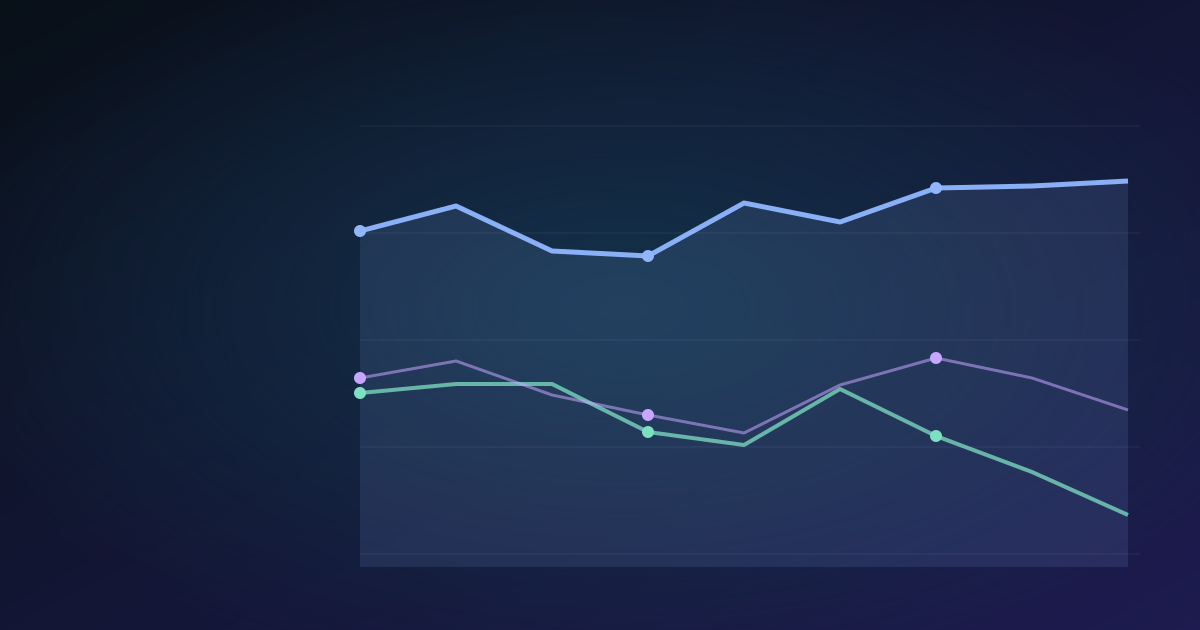
Why Nearly Half of AI-Cited Sources Are Fabricated
Empirical testing shows high-salience brands face higher rates of false citations than smaller entities, challenging the assumption that fame ensures accuracy.
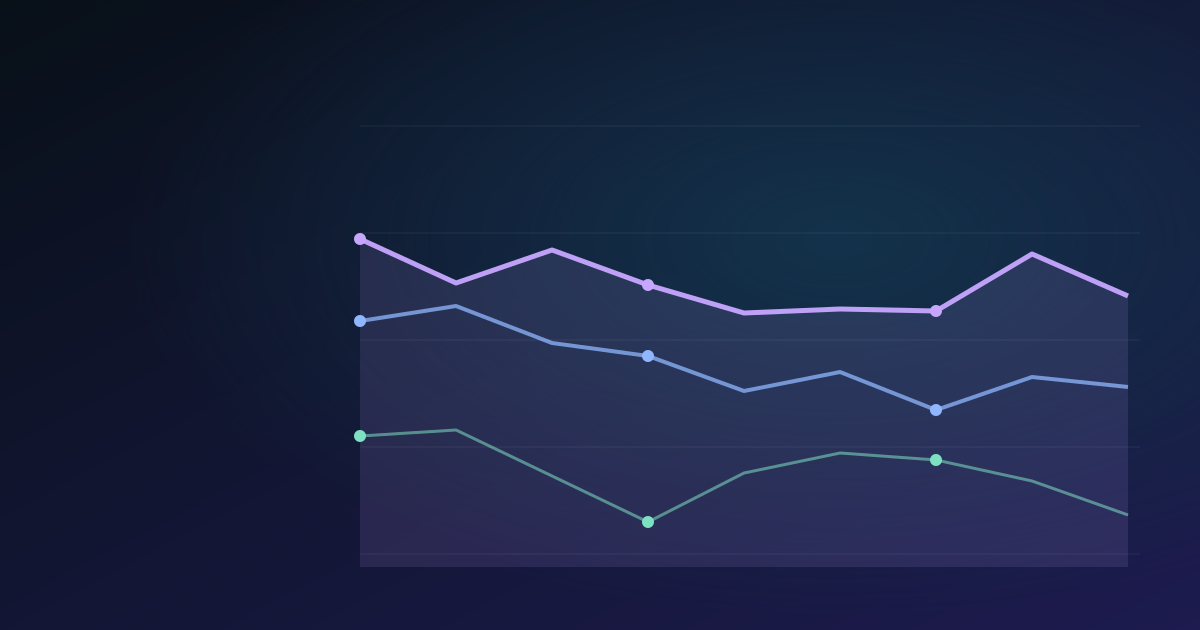
How AI Answers Cite Brands in B2B Buying Questions
An analysis of how generative engines assemble vendor lists and the specific source types that drive citation in B2B contexts.

Citation Safeguards Checklist: Lessons From Legal AI
Legal retrieval systems reveal that standard citation metrics fail; atomic claim verification is the only reliable safeguard against fabrication.

How RLHF Shapes Which Sources AI Models Prefer
Reinforcement learning from human feedback trains models to favor agreeable sources, creating a structural bias that no SEO tactic can override.

How to Verify a Source an AI Assistant Cited
A practical guide to detecting hallucinated citations and verifying the actual existence of AI-generated references.

Tracing an AI Claim Back to Its Source, Atom by Atom
Break down complex AI responses into single facts to verify their origin and expose hidden errors that survive paragraph-level checks.

Citation Pipeline Glossary: Retrieval, Reranking, Grounding
A technical breakdown of the three-stage pipeline that decides which documents an AI model actually sees and cites.
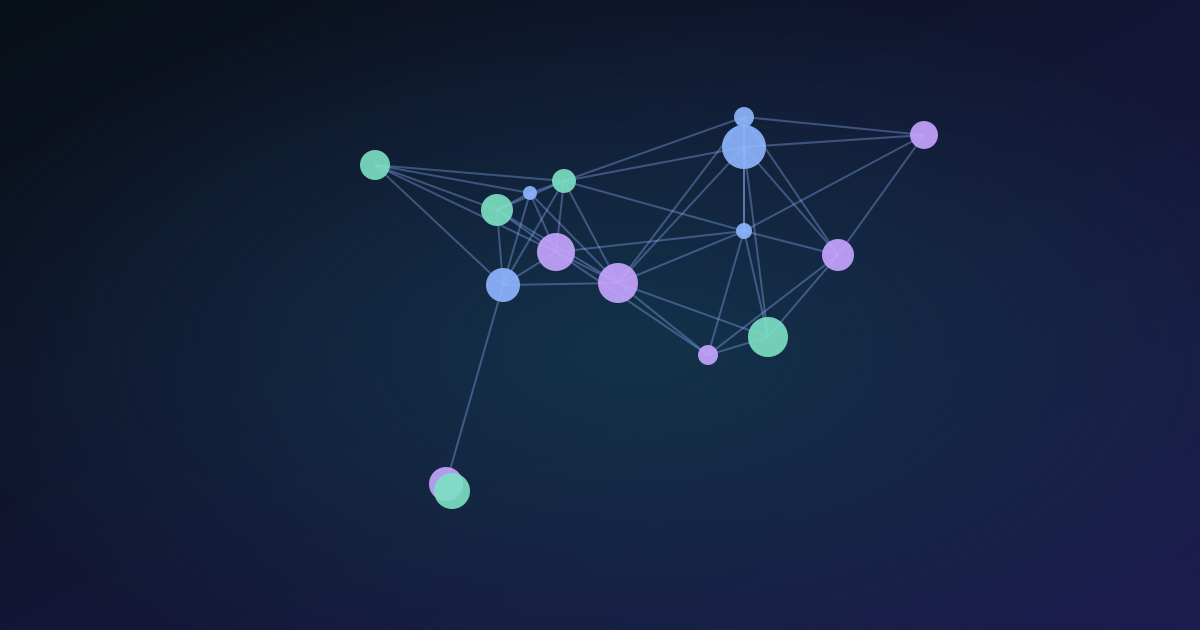
Co-Citation: Why AI Cites You Alongside Others
An analysis of how network structures and partner clusters determine which entity an AI model selects as the primary source.

AI Citation FAQ: Why Links Break and Sources Get Fabricated
A direct explanation of why AI models generate non-existent URLs, fake DOIs, and shifting facts, based on current research into retrieval and parametric memory.